
Build Your 2-PC Rig.
Select your hardware components to configure your setup. Bundling multiple devices automatically unlocks setup savings.
DMA memory cardReads memory
Installs in a PCIe or M.2 slot inside the main PC and carries accessible memory data to the second computer over USB.
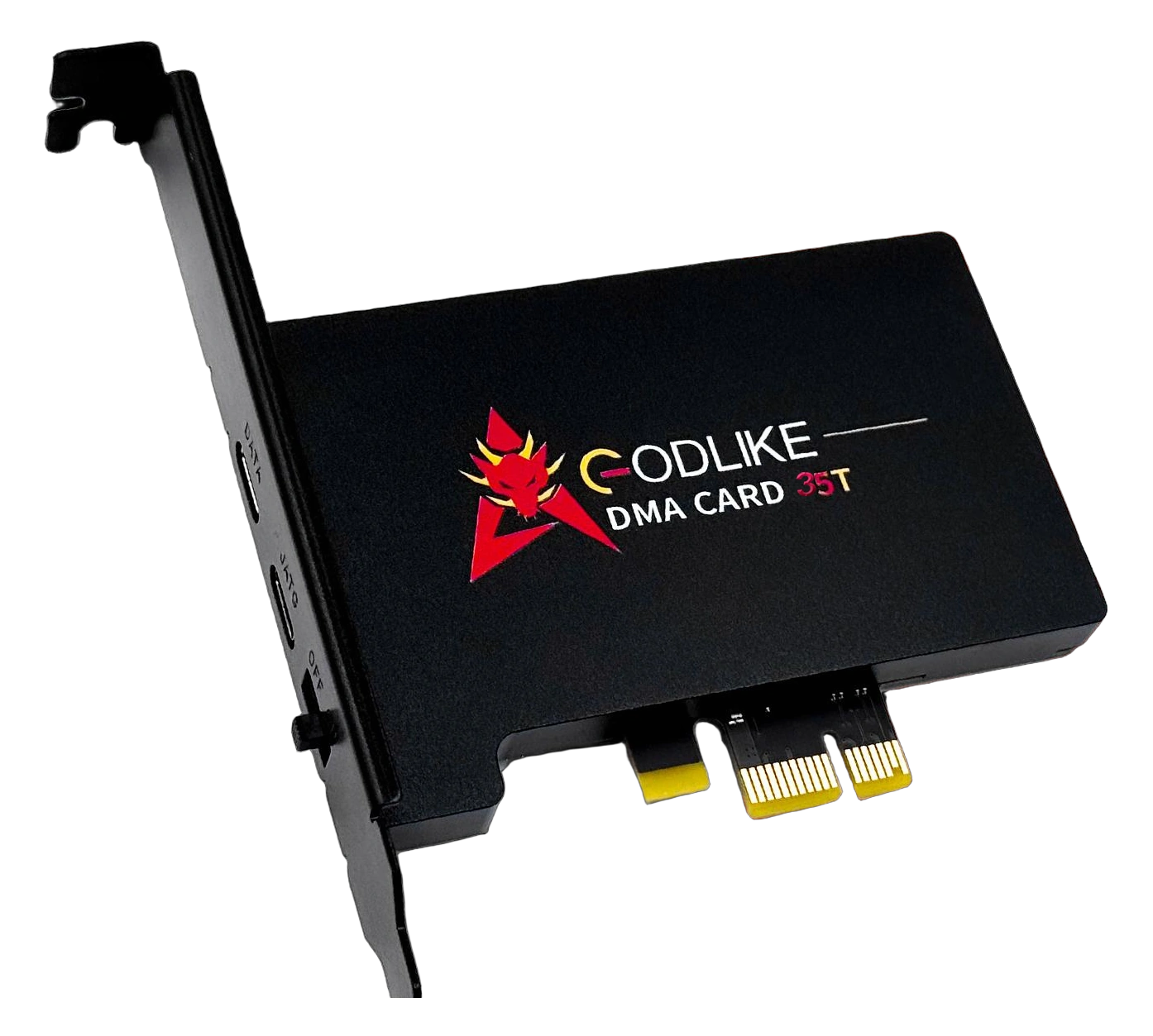
Essential 35T Artix-7 FPGA Direct Memory Access card. Up to 350 MB/s throughput with low thermal profile.
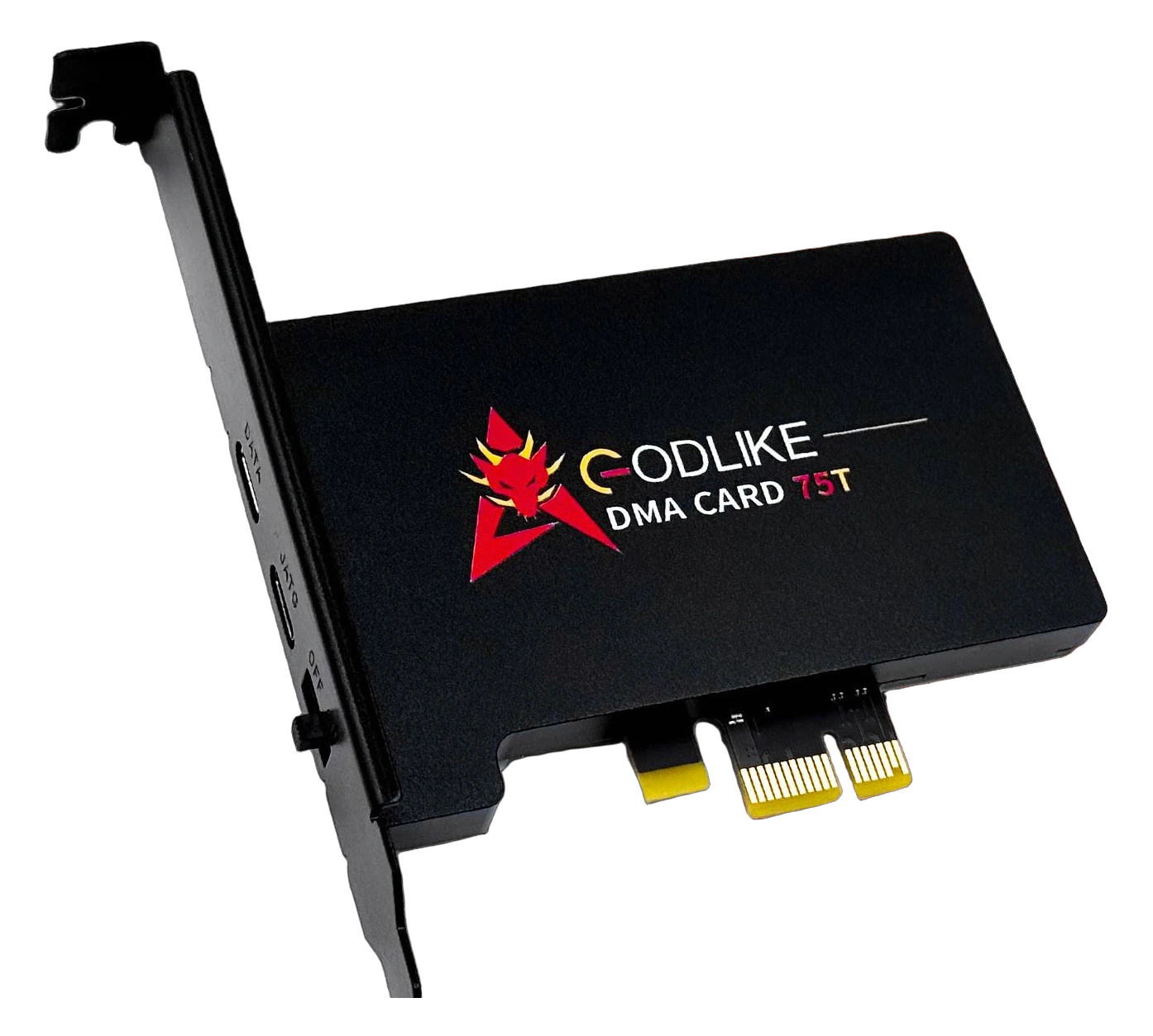
High-density 75T Artix-7 FPGA DMA card. Enhanced gate count for advanced firmware emulation and 450 MB/s reads.
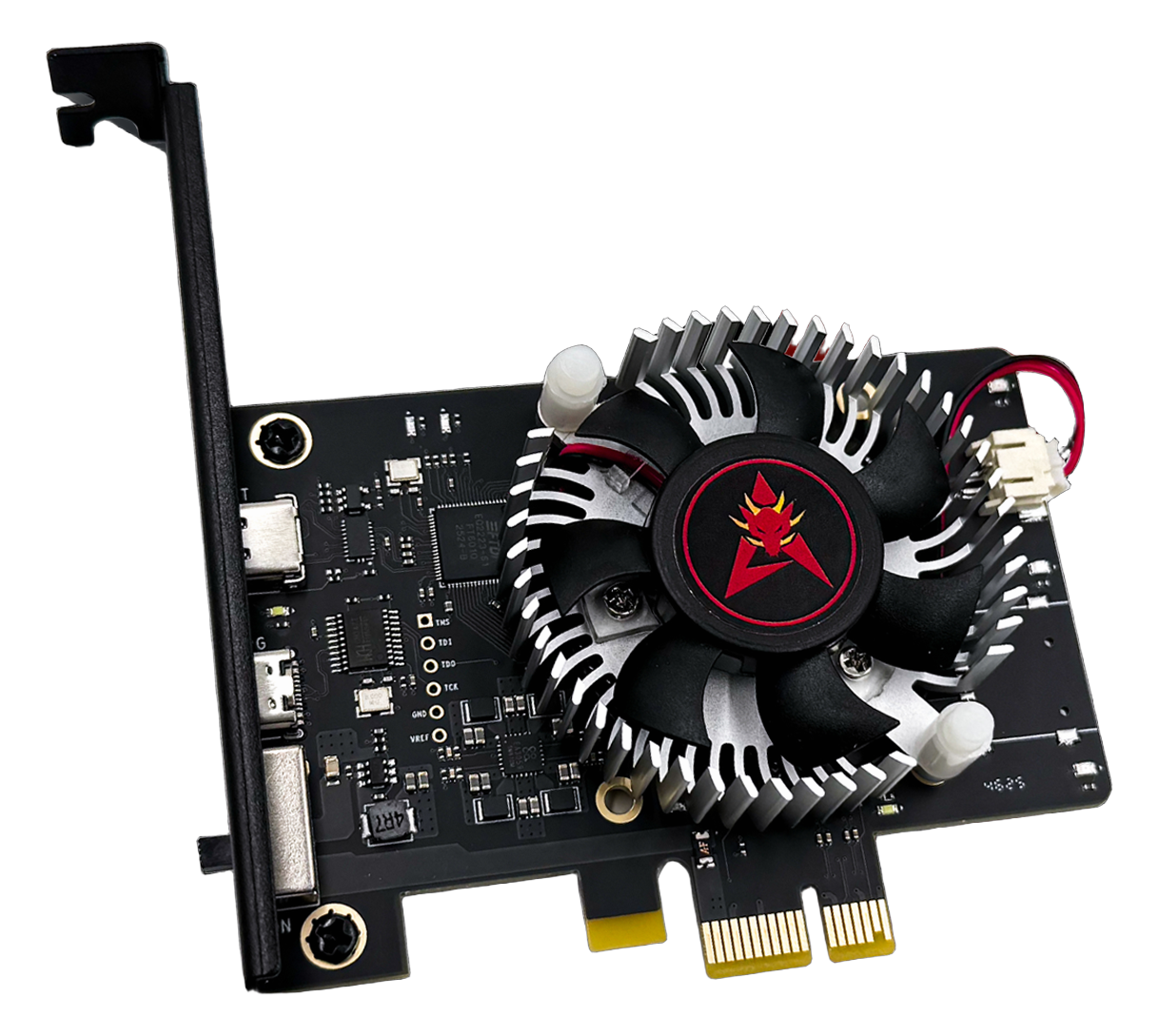
Upgraded 75T Pro with low-noise voltage regulators and active thermal shielding for 24/7 competitive sessions.
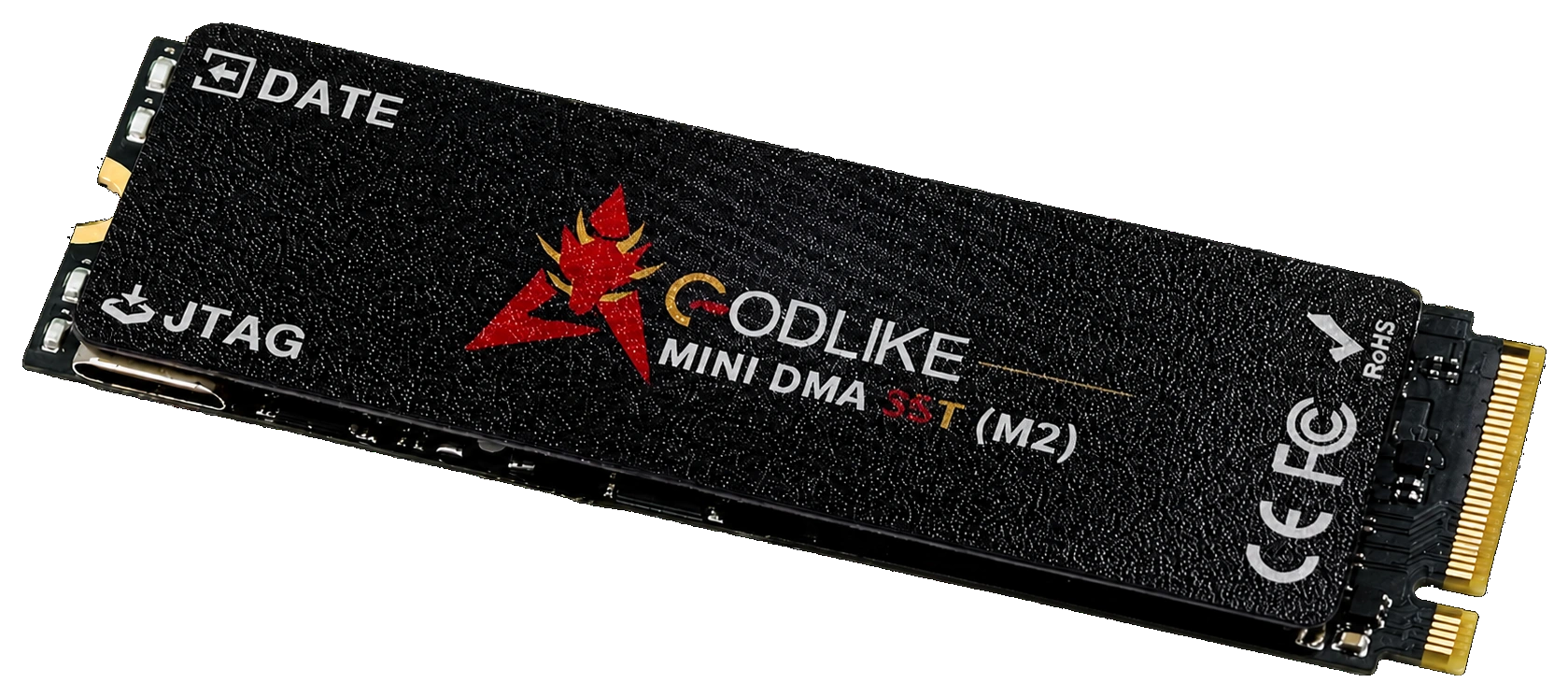
Ultra-compact M.2 NVMe (Key M) form-factor DMA card. Ideal for Mini-ITX builds and gaming laptops.
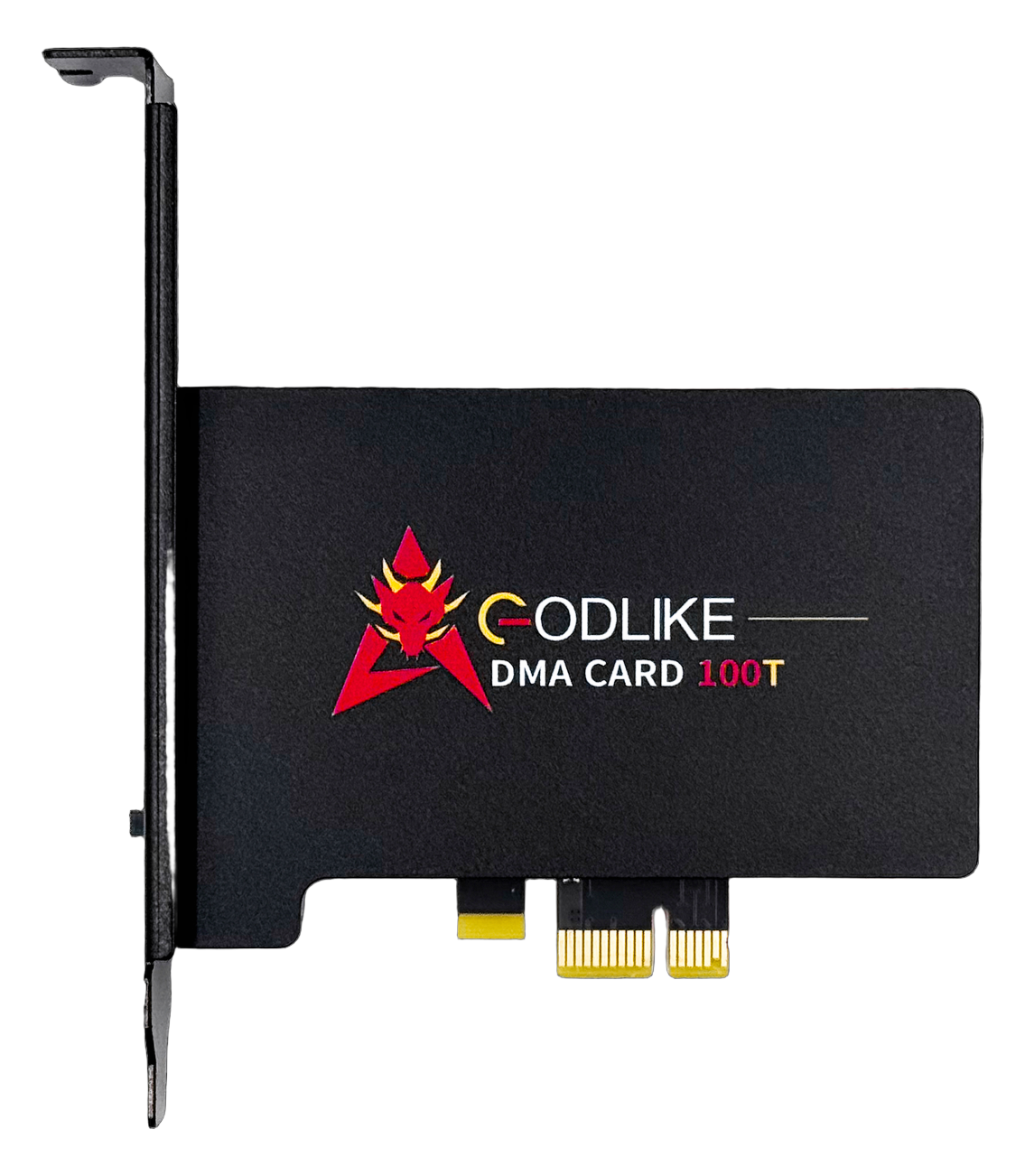
Massive 101,440 logic cell Artix-7 100T FPGA. Max gate capacity for complex custom firmware and 500+ MB/s reads.
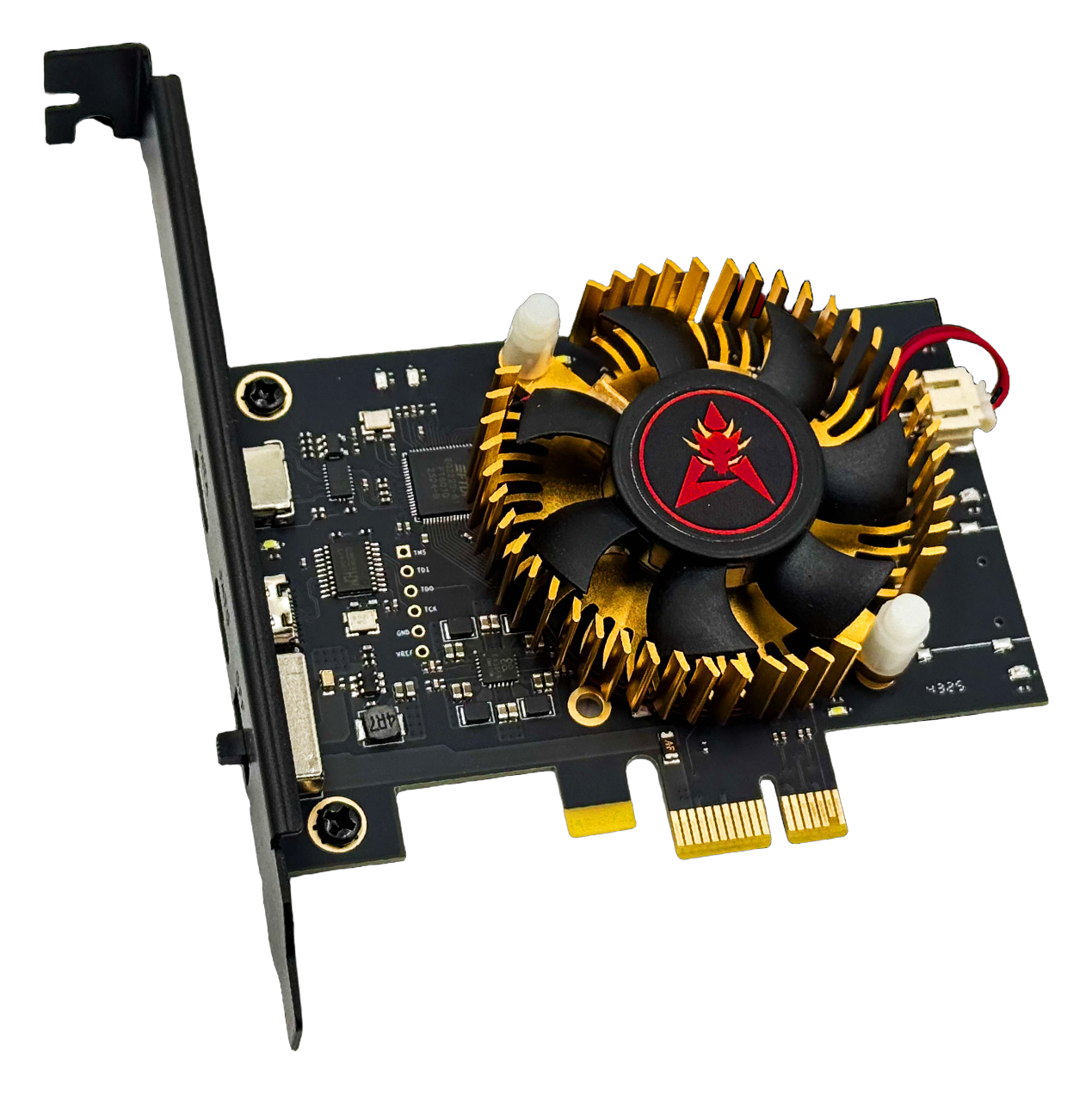
Ultimate flagship 100T Pro with dual active cooling, ultra-low jitter crystal oscillators, and peak 550+ MB/s.
Video fuserCombines picture
Takes video from both computers and outputs one combined picture at your monitor's resolution and refresh rate.
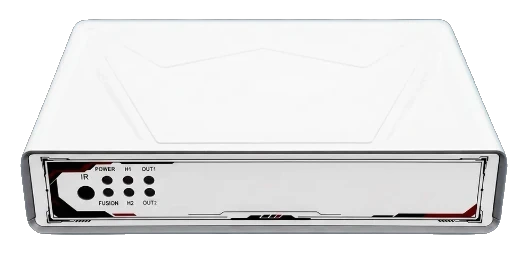
Hardware video overlay fuser box. Merges secondary PC visuals onto your main gaming monitor via HDMI with 0ms latency.
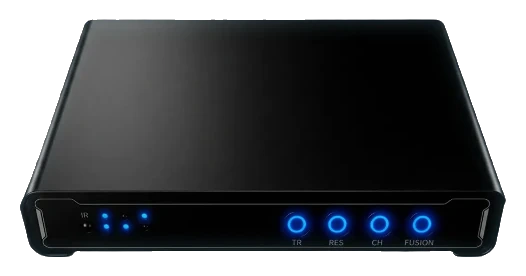
DisplayPort 1.4 hardware fuser with 4K @ 144Hz and 2K @ 240Hz support. Crisp pixel alignment with HDR passthrough.
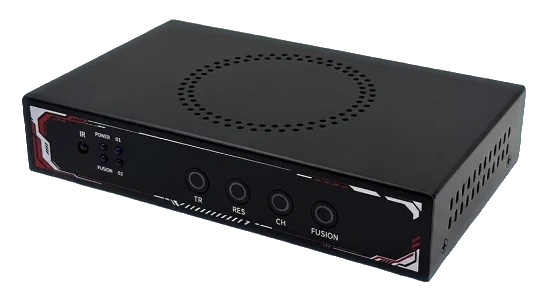
Professional esports fuser. Dual DP+HDMI matrix switcher with hardware frame synchronization and zero dropped frames.
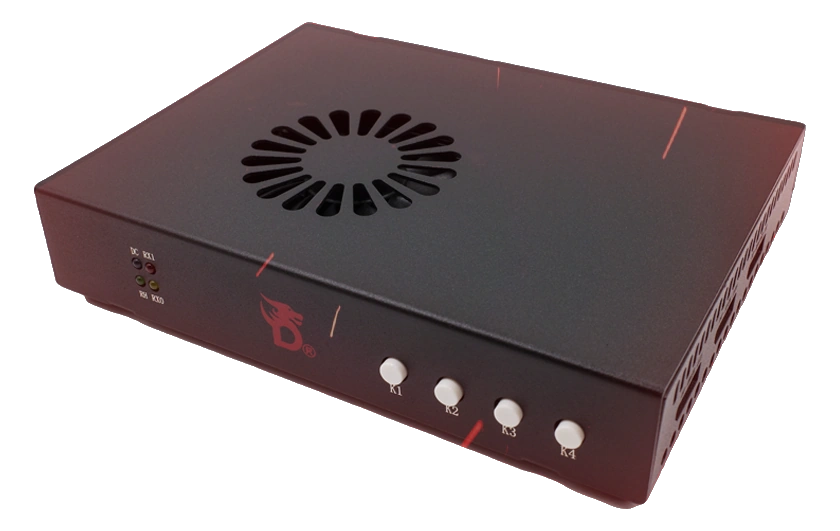
The absolute pinnacle in hardware overlay tech. 4K @ 240Hz, integrated OLED status display, and lossless matrix processing.
Input bridgeCarries input
Your mouse plugs into the bridge instead of the main PC. Movement is relayed at the hardware level, with nothing installed on the machine you play on.
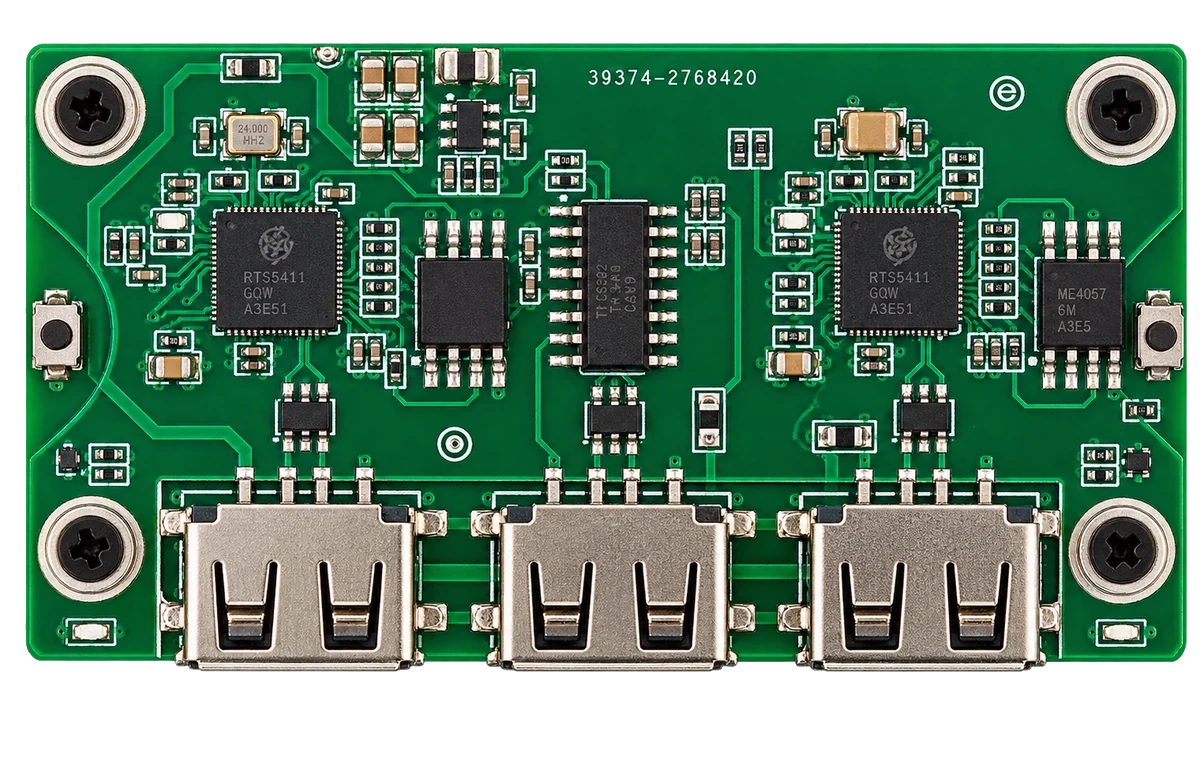
A three-port USB control board for two-PC setups. Your mouse plugs into MAKCU, MAKCU talks to both computers — with nothing installed on the machine you use.
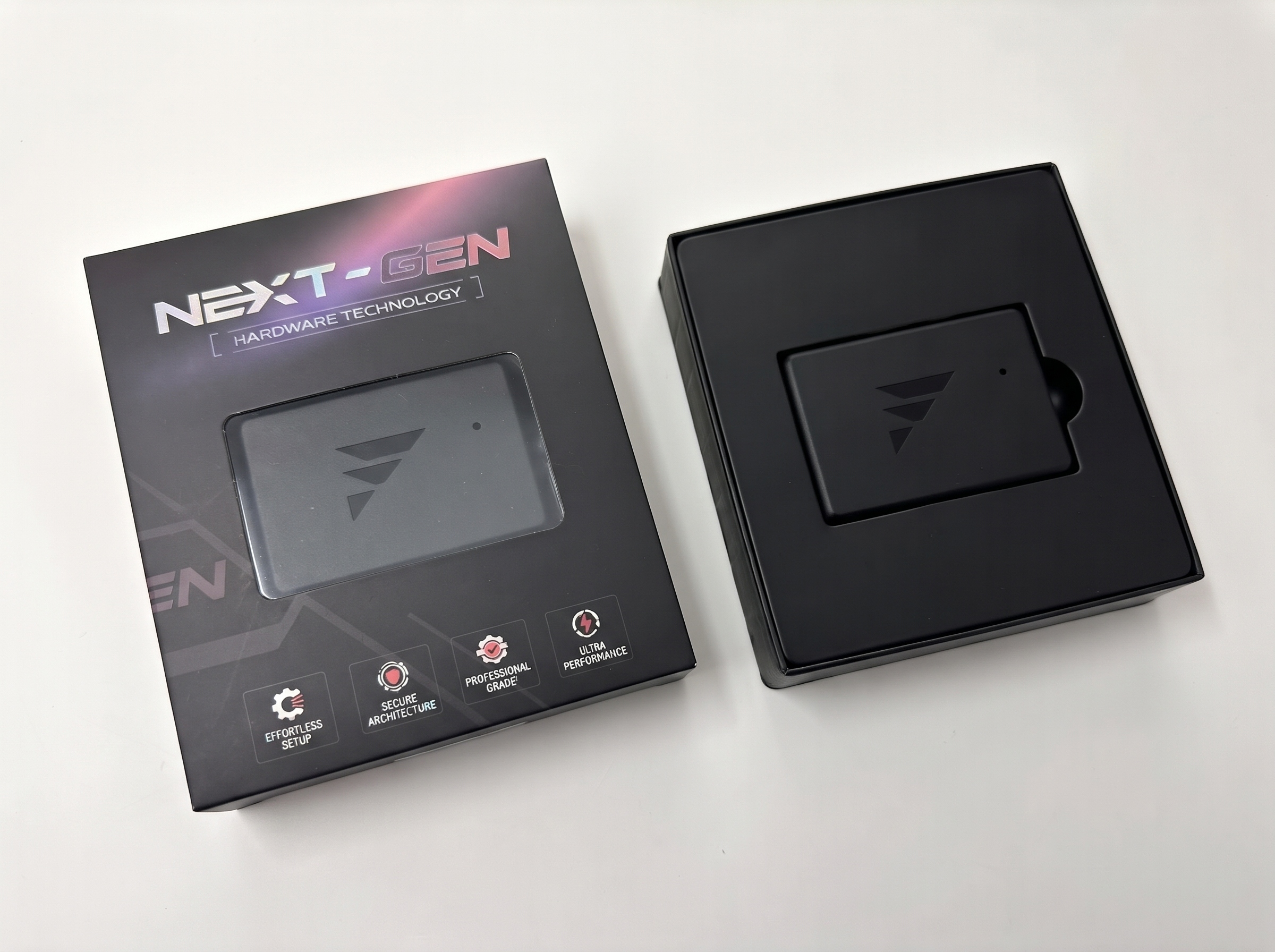
Ultra-low latency 8K Hz input passthrough device. Direct Kmbox replacement compatible with Synapse, G Hub, and XPanel.
Any PCIe/M.2 DMA card in our catalog interfaces transparently with any video fuser and any input bridge. The three channels (memory, video, input) operate on separate physical hardware buses with zero driver footprint on your primary machine.